
Why third-party inspection protects your supply chain

Every manufactured component carries risk: that what was ordered isn't quite what gets built. On low-value items, that risk is a nuisance. On a pressure vessel, a structural weld or a long-lead turbine, it can stop a project — or endanger the people who operate it. Third-party inspection exists to close that gap, by verifying conformity at the source rather than discovering problems after delivery.
What third-party inspection actually is
Third-party inspection (TPI) is verification carried out by a party with no commercial stake in the outcome. In any supply, there are three roles: the first party is the seller or supplier, the second party is the buyer, and the third party is an independent inspector appointed by the buyer to confirm — on their behalf — that goods meet the agreed codes, standards and specifications.
That independence is the whole point. A supplier inspecting their own work has an obvious interest in passing it; a buyer rarely has inspectors stationed at every factory their orders pass through. An independent inspector has neither conflict, and goes where the work is being done — which is exactly where non-conformities are cheapest to fix.
A defect caught at the supplier costs a fraction of the same defect caught on site — or in service.
Why the source is the right place to catch problems
The cost of a non-conformity rises sharply the further it travels. A wrong material grade spotted at the mill is a paperwork correction. The same error found after the component is welded into an assembly, shipped across a continent and installed on site is a rework, a delay and, often, a dispute. By the time it reaches you, the cheap window has closed.
Inspecting at the point of manufacture also means problems are caught while the supplier still has the material, the tooling and the people to put them right. Verification on arrival can only reject; verification at the source can correct. That difference is what keeps a schedule intact.

Hold points and the inspection and test plan
Effective inspection isn't a single visit at the end — it's a planned sequence agreed before fabrication begins. That plan is the inspection and test plan (ITP): a document that defines what is checked, at which stage, against which standard, and by whom. It turns inspection from a series of disconnected checks into a controlled process.
Within the ITP, the most important moments are hold points: stages where work must not proceed until the inspector has verified and released it. A hold point on a critical weld, for example, ensures the joint is examined before it's coated or buried inside an assembly where it can no longer be seen. Used well, hold points put verification exactly where the risk is highest.
Where TPI adds the most value
Not every order needs the same scrutiny. Third-party inspection earns its place most clearly on high-consequence equipment, long lead times, new or unproven suppliers, and overseas manufacturing where distance and language make oversight hard. In energy, construction and chemical projects — where tolerances are tight and the consequences of failure are real — it is less an optional check than a basic safeguard.
The return is straightforward: fewer surprises on delivery, fewer disputes over what was actually supplied, and a documented record of conformity that stands up when it matters. Independent verification at the source doesn't add cost to a project so much as remove the far larger cost of finding out too late.
Arvin Honarvar leads business development and marketing at Arotec Quality, where he works closely with the inspection teams to make independent quality assurance accessible to companies navigating complex, global supply chains.
Keep reading
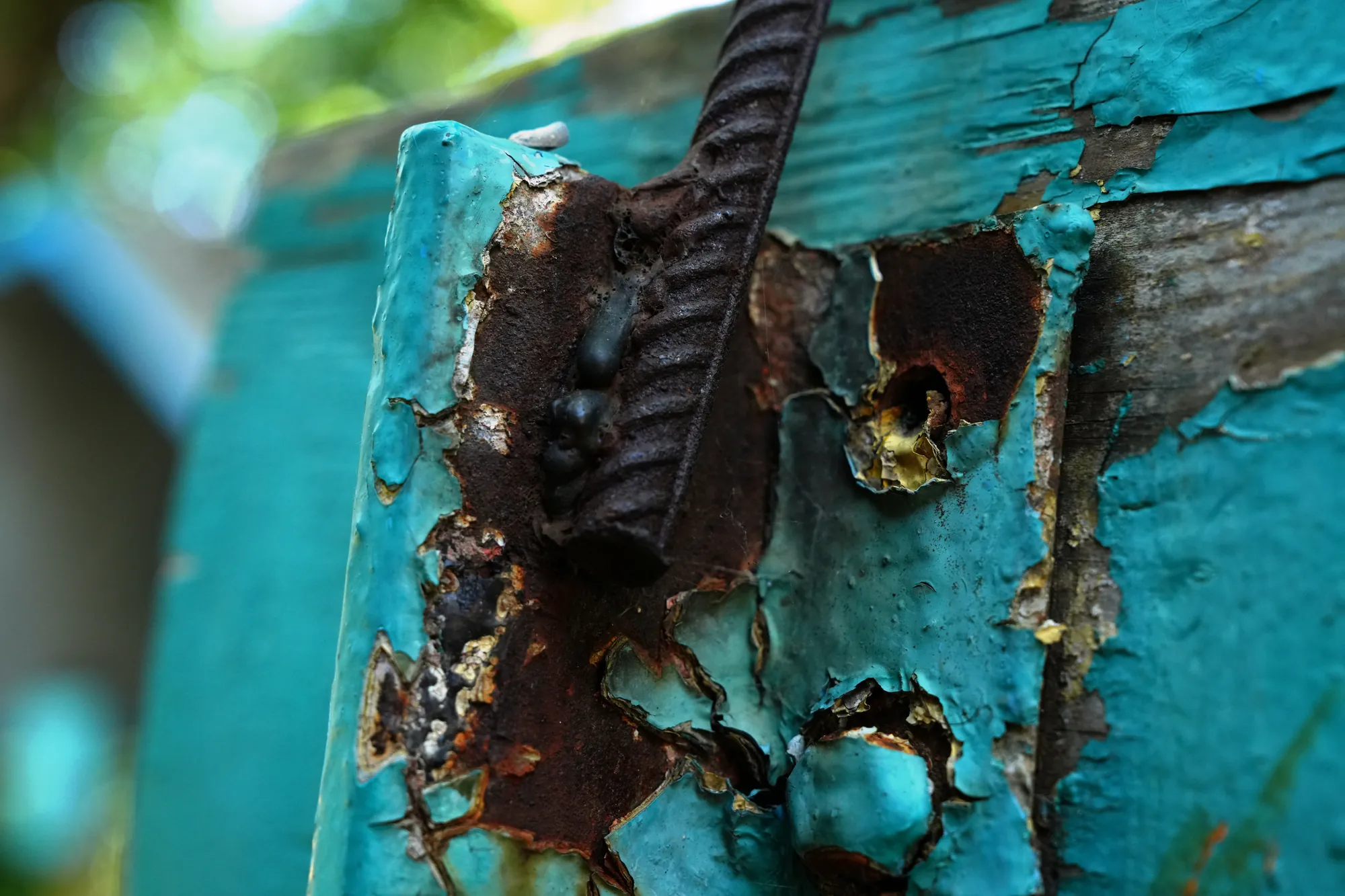
Five welding defects every QC engineer should know
Most weld failures trace back to a handful of recurring defects. Knowing how each one forms — and how it's found — is the core of weld inspection.
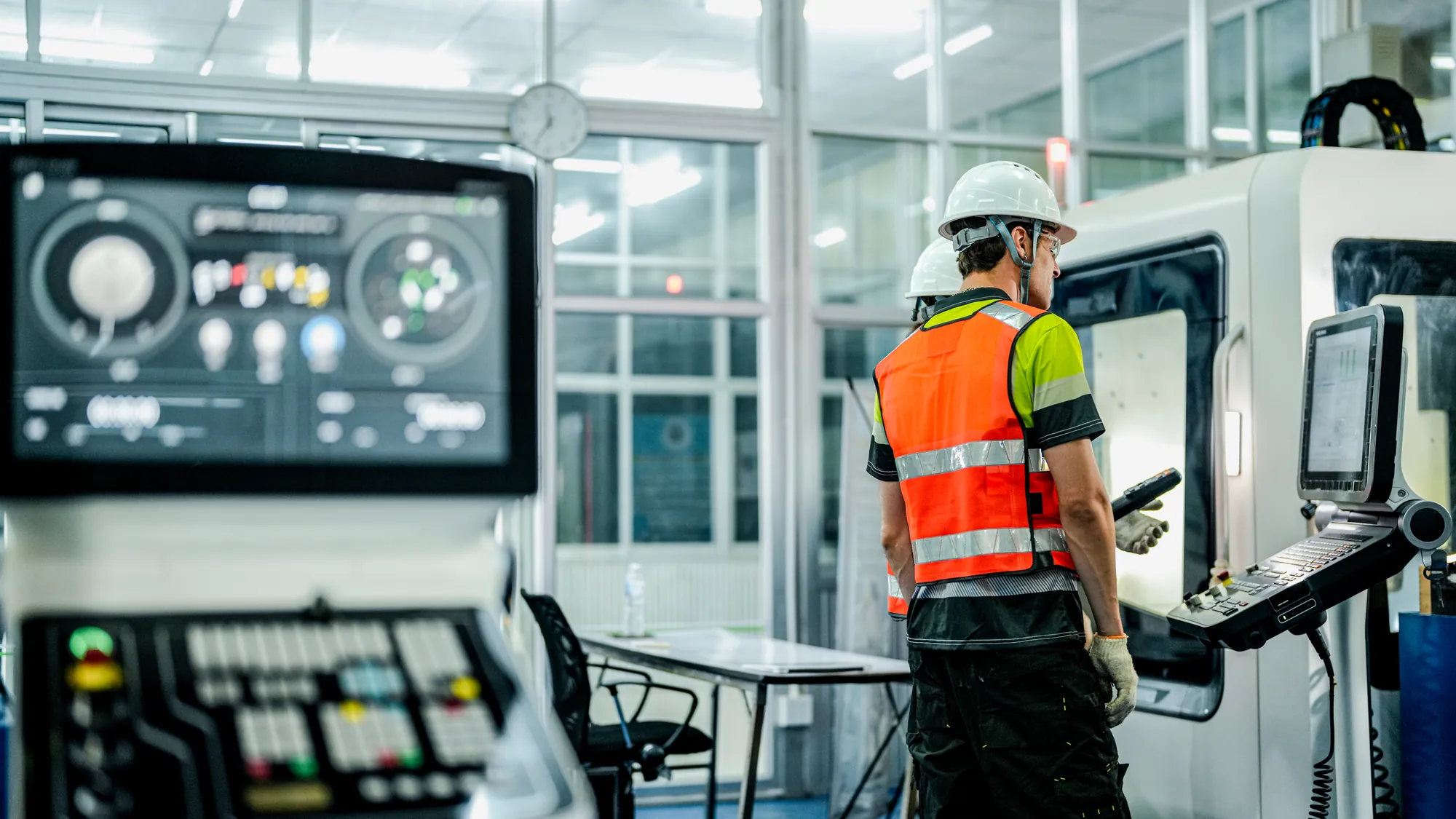
Four shifts reshaping third-party inspection
From remote inspection to the energy transition, the forces changing how — and where — inspection happens are already here.
Need independent inspection?
Talk to our team about third-party inspection for your next project.