Four shifts reshaping third-party inspection
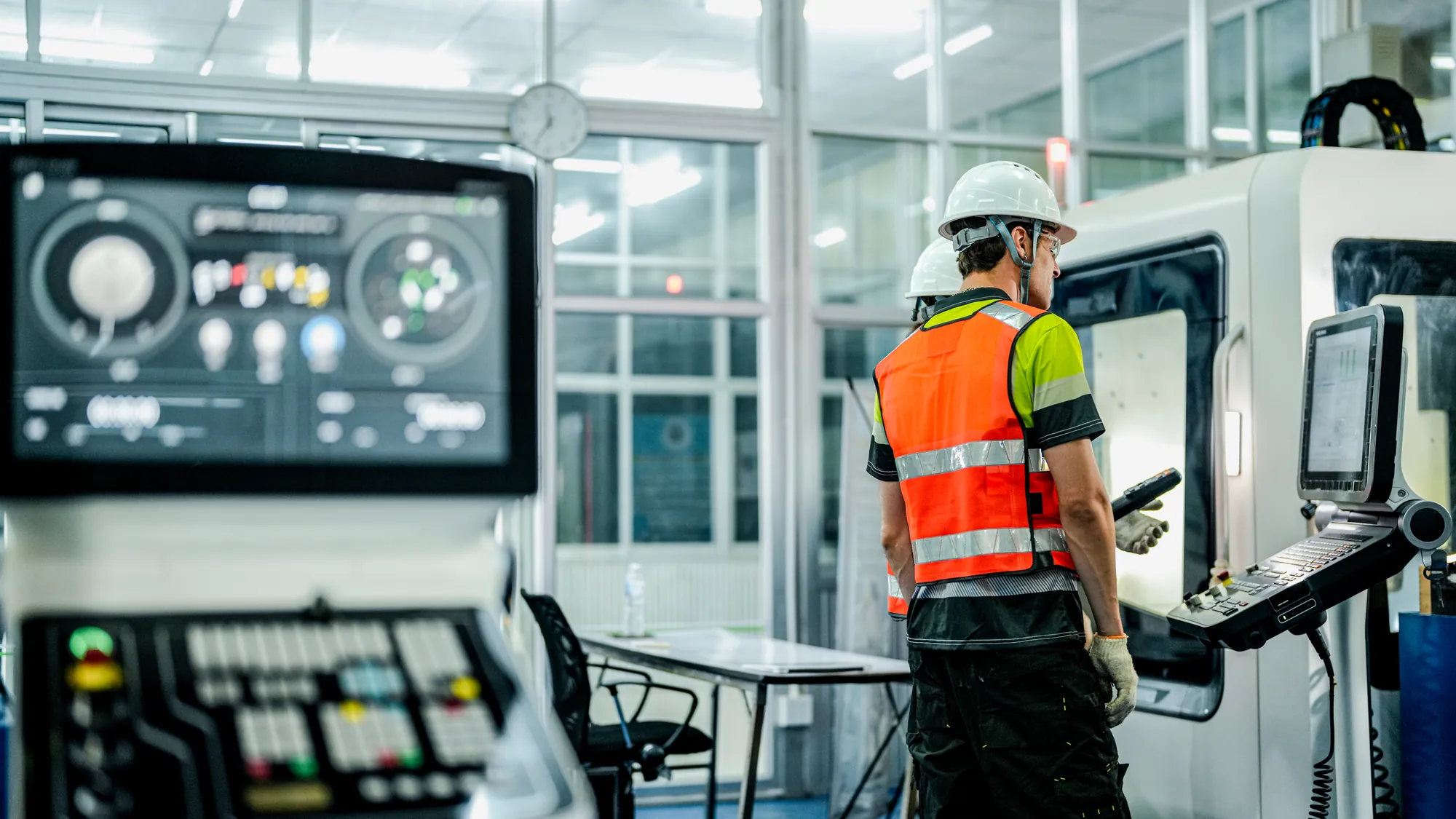
The testing, inspection and certification (TIC) sector tends to move quietly, but it is moving. The way inspection is delivered, where demand is growing, and what clients expect from a report are all shifting at once. None of these changes is speculative — they are already visible in how projects are run today. Here are four that matter most for anyone who relies on independent inspection.
1. Remote and digital inspection is now mainstream
What began as a necessity when travel was restricted has settled into a permanent option. Remote and virtual inspection — live video, connected devices, and increasingly drones for hard-to-access assets — lets verification happen without putting an inspector on every plane. For routine checks, supplier audits and assessments of specific components, it cuts cost and time without sacrificing the documented, independent record that gives inspection its value.
It does not replace physical inspection everywhere — some work still demands hands-on examination — but the question has changed. It is no longer whether remote inspection is credible, but which parts of a programme are better done remotely and which still need someone on site.
2. The energy transition is moving where inspection happens
For decades, a large share of inspection demand sat with oil & gas. That base is not disappearing, but the centre of gravity is broadening. Investment in renewables, hydrogen, grid infrastructure and energy storage is creating new equipment, new fabrication and new supply chains — all of which need the same independent verification that conventional energy has always relied on.
For an inspection partner, this means the underlying discipline stays the same — welds, materials, pressure equipment, structural integrity — while the assets being inspected diversify. The clients best served are those whose expertise carries across both the established energy sector and the emerging one.
The skills of inspection don't change with the asset — but the assets are changing fast.
3. Supply-chain resilience has raised the stakes on supplier quality
Recent years exposed how fragile long, concentrated supply chains can be. The response — diversifying suppliers, nearshoring, qualifying new sources at speed — solves one risk but introduces another: more orders placed with manufacturers a buyer hasn't worked with before. Unproven suppliers are exactly where independent inspection earns its place, because a relationship built on trust over years isn't there yet to fall back on.
The practical effect is a renewed focus on verification at the source and on expediting — confirming not just that a new supplier can deliver to specification, but that they will deliver on time. As supply chains are rebuilt, the inspection that underpins them becomes more important, not less.
4. Documentation is becoming digital and traceable end to end
An inspection is only as useful as the record it leaves behind. The expectation now is for that record to be digital, structured and traceable — photographic evidence tied to specific findings, certificates that follow the material through the chain, and reporting that a client can reference without chasing paper. The value isn't technology for its own sake; it's a clear, defensible trail from raw material to delivered equipment.
For buyers, this traceability is increasingly what separates a report that simply records an opinion from one that stands up under scrutiny — in an audit, a dispute, or a regulatory review.
What these shifts have in common
None of these is a break with what inspection has always done. Remote tools, new energy assets, fragile supply chains and digital records all point in the same direction: independent verification matters more as projects grow more complex and more distributed. The fundamentals — impartiality, technical competence, a defensible record — don't change. What changes is how widely they're needed, and an inspection partner worth having is one that adapts to the new context without losing the rigour that made inspection valuable in the first place.
Arvin Honarvar leads business development and marketing at Arotec Quality, where he works closely with the inspection teams to make independent quality assurance accessible to companies navigating complex, global supply chains.
Keep reading
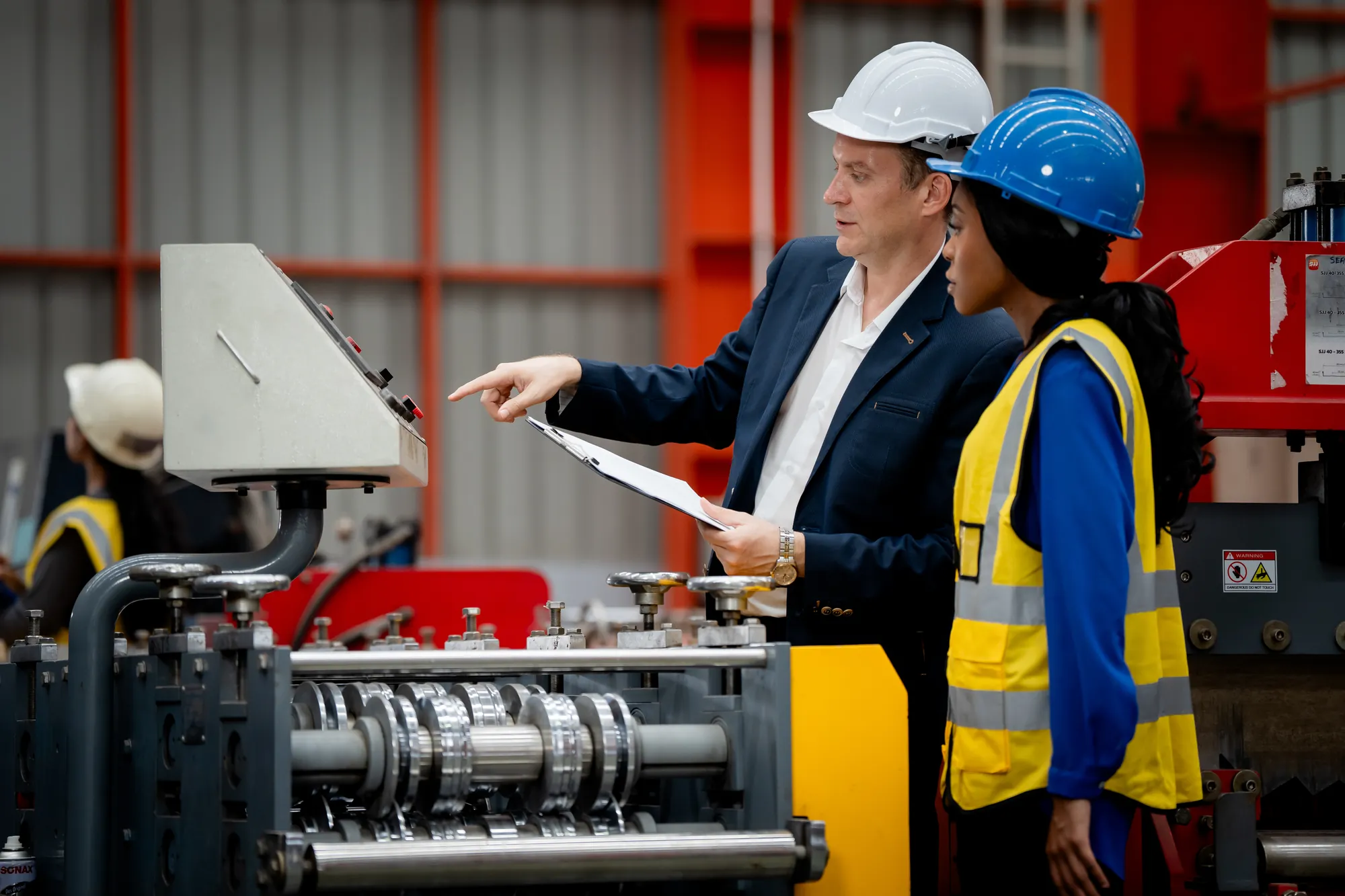
Why third-party inspection protects your supply chain
An independent check at the source catches non-conformities before they ever reach your site — and before they cost you.
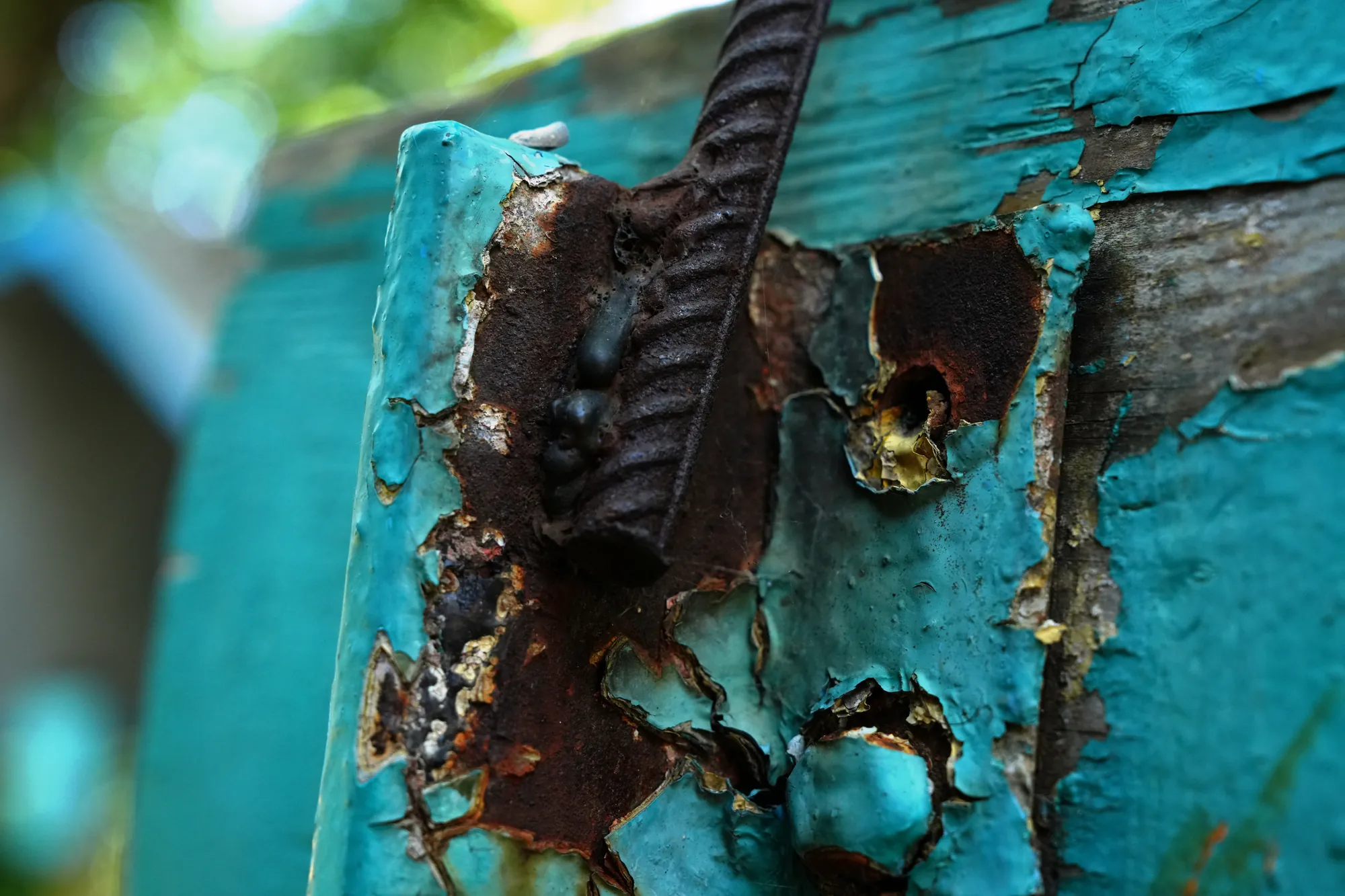
Five welding defects every QC engineer should know
Most weld failures trace back to a handful of recurring defects. Knowing how each one forms — and how it's found — is the core of weld inspection.
Need independent inspection?
Talk to our team about third-party inspection for your next project.